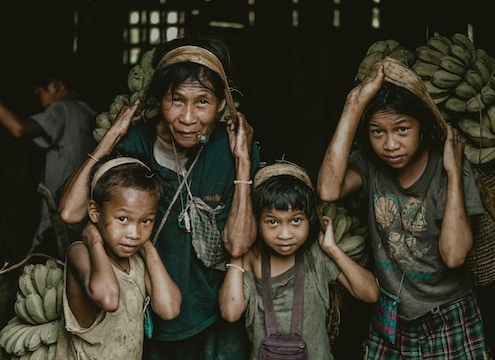
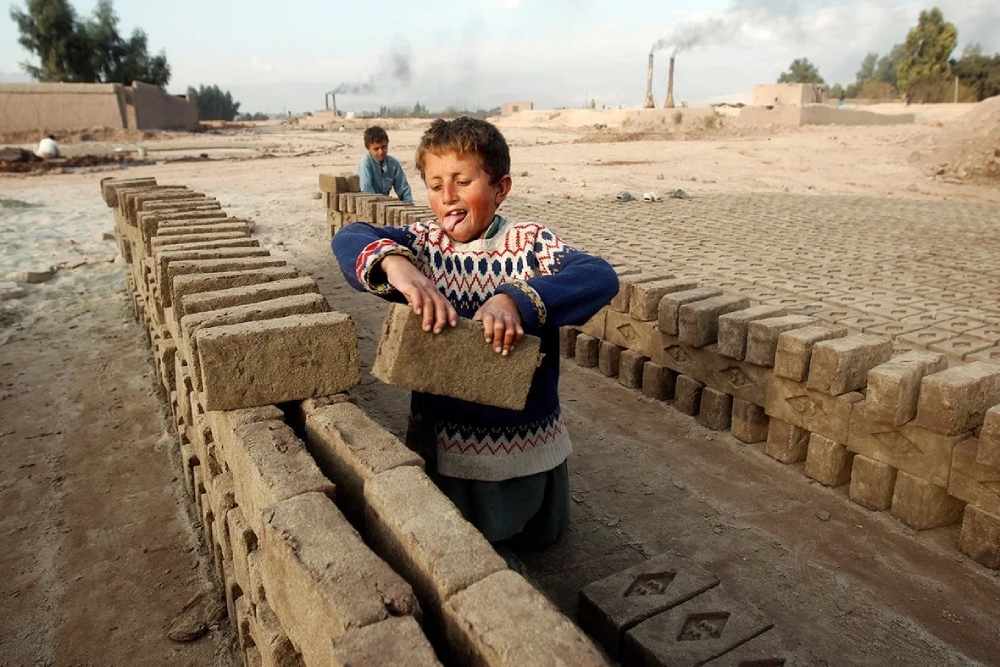
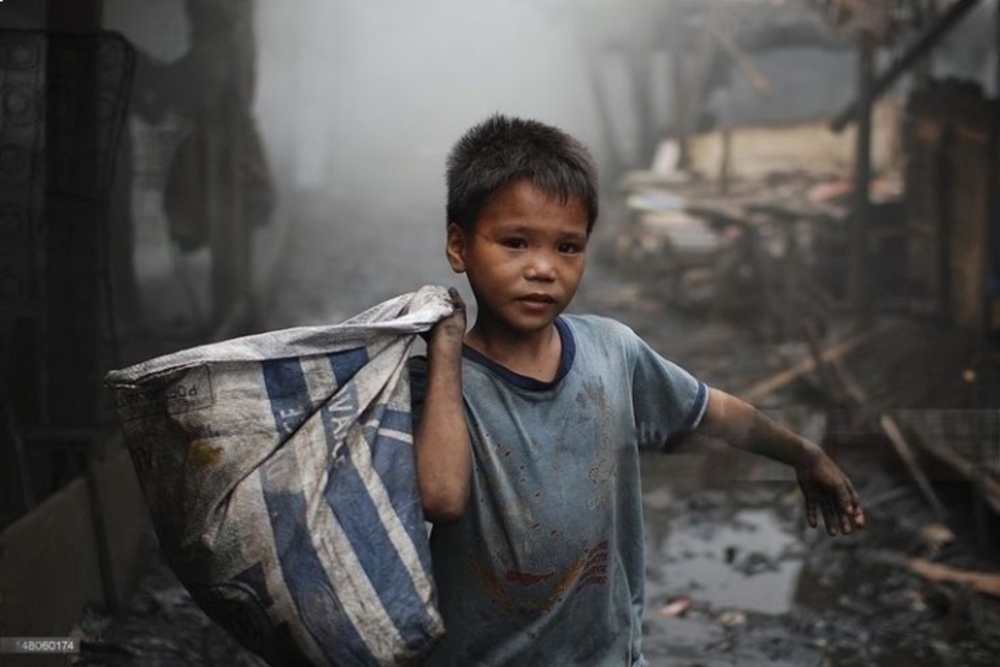
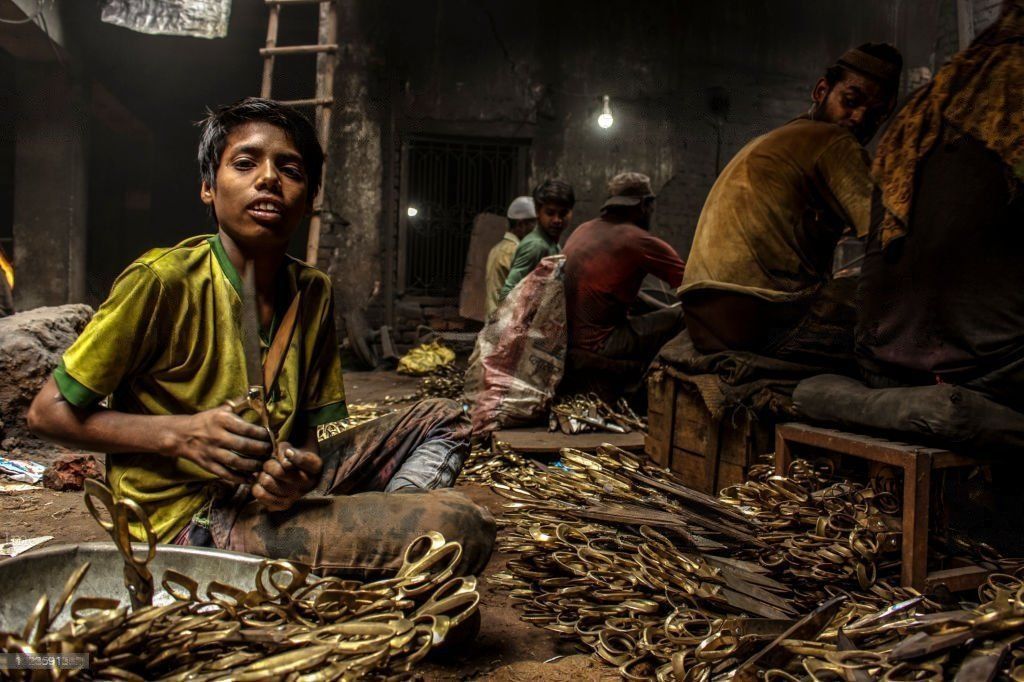
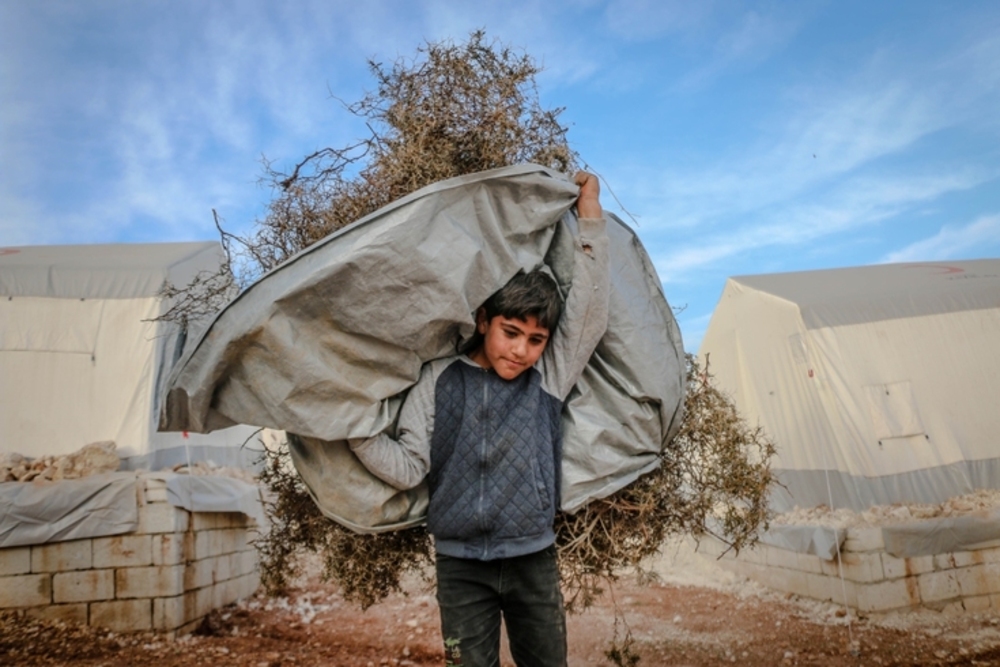
Twenty-five to 30 kids a year die at work. Through its advocacy and co-chairmanship of the Child Labor Coalition, the National Consumers League (NCL) has worked to reduce that number over the years. Each spring, NCL produces a report called “The Five Most Dangerous for Teens.” For several years, we worked to help enact proposed rules to protect kids working in agriculture. Last April, working through the CLC and its members we helped organize a press conference to highlight the dangers that young workers can encounter while working on farms and agricultural facilities.
Unfortunately, the organized farm lobby succeeded in forcing the Obama administration to withdraw the youth farm safety rules—a decision that we estimate will lead to the unnecessary deaths of 50 to 100 youth working on farms over the next decade.
This week, we heard the sobering story on National Public Radio (NPR) and the Public Broadcasting System’s News Hour each featured in-depth stories about a particularly lethal type of agricultural work: labor in grain silo facilities, which in a typical year kills 15 or more workers. According to recent data, 20 percent of the victims of grain engulfments are young workers.
NPR and PBS worked with the Center for Public Integrity, highlighting a terrible tragedy in Mount Carroll, Illinois nearly three years ago. Two teens, “running down the corn,” were engulfed by grain and killed while working in a silo: 14-year-old Wyatt Whitebread and 19-year-old Alex Pacas. Will Piper, a 20-year-old co-worker, barely escaped with his life because someone threw him a bucket that he was able to put over his head. The bucket prevented the flowing grain from asphyxiating him. Today, Piper lives in guilt because he found the job that killed his best friend Alex.
Among the worst aspects of the Whitebread-Pacas accidentally deaths, which we highlighted in our April 2012 press conference, are the facts that Wyatt, at 14, was too young to be doing such dangerous work. He and Alex also should have been wearing safety harnesses as they walked on top of the crusty grain trying to loosen it. The facility possessed the mandatory harnesses that would have saved the boys lives, but did instruct or compel the teens to wear them.
Raise the Bar, Hershey! Campaign Welcomes Hershey’s Announcement to Source 100% Certified Cocoa by 2020
[News from the Raise the Bar, Hershey! Campaign:]
Coalition urges Hershey and all chocolate companies to go 100% Fair Trade
The Raise the Bar, Hershey! Campaign (www.raisethebarhershey.org) welcomed today’s announcement from the Hershey Co. (HSY) that it will be certifying 100 percent of its cocoa by 2020 and urged the chocolate giant to go 100 percent Fair Trade with incremental benchmarks. Hershey appeared to join its main rival Mars in announcing its target for certification with a 2020 deadline. Many other smaller chocolate companies are already 100 percent certified, a number of them using Fair Trade certification, the most rigorous certification for identifying and remediating the Worst Forms of Child Labor. The Raise the Bar, Hershey! Campaign released the following joint statement:
“The Raise the Bar, Hershey! campaign is pleased that Hershey is announcing 100 percent certification for its cocoa by 2020. To truly address child labor, Hershey needs to make sure it is certifying all of its cocoa Fair Trade, the only certification that adequately addresses the Worst Forms of Child Labor. Hershey should certify and label one of its top-selling, brand name bars Fair Trade within the next year, and should certify and label all of its chocolates Fair Trade by 2020. We urge Hershey to reveal how the company plans to get to 100% certification by disclosing the certifiers it will be working with as well as a timeline for converting specific product lines.
The Raise the Bar Hershey campaign, joined by over 150,000 consumers, union allies, religious groups, and over 40 food co-ops and natural grocers has been pressuring Hershey to address child labor for several years. Just this week, Whole Foods Market (WFM) announced that it was removing Hershey’s Scharffen Berger line from its shelves until Hershey took steps to address child labor in its supply chain. The Raise the Bar, Hershey Campaign! and its allies will continue to encourage Hershey, and other chocolate companies, to improve labor practices on cocoa farms and plantations.”