• ABOUT US
  • OUR HISTORY
  • OUR MISSION & OBJECTIVES
  • COALITION MEMBERS
  • COALITION LEADERSHIP
  • CONTACT US
  • RECEIVE UPDATES
Stop Child Labor - The Child Labor Coalition
  • NEWS & RESOURCES
    • Viewpoints
    • News & Events
    • 10 Facts About…
    • Reports
    • Timeline
    • Social Media
  • CHILD LABOR – US
    • In Our Products
      • Chocolate
      • Cotton
      • Clothes
      • Electronics
      • Gold
      • Tin
    • In Our Fields
      • Children in Agriculture
      • Children in the Fields Campaign
      • CARE Act
    • Legislation
    • Youth Employment
      • Young Worker Deaths & Injuries
      • Youth Peddling Crews
    • Enforcement–US
    • Trafficking–US
    • U.S. DOL
    • US Child Labor Laws
      • Federal Laws
      • State Laws
    • Corporations and Child Labor
    • US Campaigns
  • CHILD LABOR – INTERNATIONAL
    • Agriculture
      • Chocolate
      • Cotton
      • Tobacco
    • Industry/Products
      • Clothing
      • Construction
      • Electronic Equipment
      • Mining
      • Other Products
      • Rubber
      • Rugs
      • Seafood
      • Soccer Balls
      • Tobacco
    • Countries
      • African Countries
      • Angola
      • Botswana
      • Burkina Faso
      • Central African Republic
      • Chad
      • Cote d’Ivoire
      • Democratic Republic of the Congo (DRC)
      • Egypt
    • Child Soldiers
    • Trafficking (International)
    • Forced Labor/Slavery
    • Education & Child Labor
    • International Initiatives
      • Convention on the Rights of the Child
      • Global Campaign for Education
  • TAKE ACTION
    • Donate
    • Child Labor Tools for Consumers–Apps
  • DONATE
  • Search
  • Menu Menu

Tag Archive for: CARE

2024 Domestic Child Labor Bills the Child Labor Coalition endorses:

June 11, 2024/in CARE Act, Child Labor - US, Federal Laws, Legislation, News & Resources, Take Action, US Campaigns, Viewpoints/by Reid Maki

Bills to increase fines:

  • R. 2956 — “Combating Child Labor Act” by Rep. Kildee (D-MI) 42 cosponsors as of  4/16/2024
  • R. 2388 — “Justice for Exploited Children Act of 2023” by Rep. Scholten (D-MI)

7 cosponsors as of 4/16/2024. [This bill is Bipartisan].

  • 637 — “Child Labor Prevention Act” by Sen. Schatz (D-HI)

12 cosponsors as of 4/16/2024

  • 3051 – Stop Child Labor Act by Senator Schatz (D-HI)

1 cosponsor as of 4/16/2024 [This bill is an update of Schatz’s bill listed prior and is also bipartisan]


Bills that seek increased fines AND multiple other improvements:

  • R. 6079 – CHILD Labor Act by Rep. DeLauro (D-CT) also known as “Children Harmed in Life-threatening or Dangerous Labor Act”

21 cosponsors as of 4/16/2024

  • 3163 – CHILD Labor Act by Senator Bob Casey (D-PA) also known as “Children Harmed in Life-threatening or Dangerous Labor Act” [Companion bill to H.R. 6079]

16 cosponsors as of 4/16/2024

  • R. 4440 – “Protecting Children Act” by Rep. Scott (D-VA) 8 Cosponsors as of 8/11/23

9 cosponsors as of 4/16/2024


Protecting child farmworkers:

  • R. 4020 – “Children Don’t Belong on Tobacco Farms Act by Rep. DeLauro” (D-CT)

2 cosponsors as of 4/16/24

  • 1921 – “Children Don’t Belong on Tobacco Farms Act” by Senator Durbin (D-IL)

3 cosponsors as of 4/16/2024

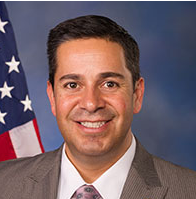
  • R.4046 – “Children’s Act for Responsible Employment and Farm Safety — CARE Act” by Rep. Ruiz (D-CA)

45 cosponsors as of 4/16/2024

  • 4038 – “Children’s Act for Responsible Employment and Farm Safety — CARE Act” by Senator Ben Ray Lujan (D-NM)

0 Cosponsor listed, but we’re told Senator Casey has agreed to cosponsor.


Procurement Bills regarding child labor:

  • 1288 — “Child Labor Exploitation Accountability Act” by Sen. Booker (D-NJ)

5 cosponsors as of 4/16/2024

  • 3139 – “Preventing Child Labor Exploitation Act” by Sen. Booker (D-NJ). [This is an update of the prior Booker procurement bill and is now bipartisan].

1 cosponsor as of 3/7/2024

  • R. 2822 — “Child Labor Exploitation Accountability Act” by Rep. Casar (D-TX)

34 cosponsors as of 4/16/2024


Bill to improve labor inspectorate


  • R. 6634 — Workers POWER Act by Rep. McGarvey (D-KY) also known as “Workers Protecting Our Wage Earners Act”

50 Cosponsors as of 5/15/2024
https://stopchildlabor.org/wp-content/uploads/2024/06/Social-Media-Images-7.png 788 940 Reid Maki https://stopchildlabor.org/wp-content/uploads/2022/08/logo.png Reid Maki2024-06-11 15:38:262025-02-03 19:15:572024 Domestic Child Labor Bills the Child Labor Coalition endorses:
thumbnail

Senator Luján Press Release: During Ag Week, Luján Introduces Legislation to Improve Child Protections and Safety Standards for Agriculture Industry

March 21, 2024/in Agriculture, CARE Act, Child Labor - US, Children in Agriculture, Children in the Fields Campaign, Legislation, News & Events, Press Releases/by CLC Contributor

Senator Ben Ray Luján’s legislation would significantly improve protections for child farmworkers

Press Release/March 21, 2024

Washington, D.C. – Today, U.S. Senator Ben Ray Luján (D-N.M.) introduced the Children’s Act for Responsible Employment in Agriculture (CARE) Act to ensure child protections and safety standards for children in the agricultural workforce. Agriculture is the only industry with labor laws that allow children as young as 12 to work with virtually no restrictions on the number of hours they work outside of school. Across the United States, there are hundreds of thousands of children who are working in the agricultural industry and performing the grueling work required to plant, pick, process, and pack food that Americans eat every day.

The CARE Act takes steps to improve child worker safety by adjusting the age and work hour standards for children in agriculture to the standards for children working in all other industries. Among its other provisions, the bill would also increase the civil and criminal monetary penalties for child labor violations, and provide children with greater protection against pesticide exposure. The CARE Act’s child labor protections would not apply to the children of farmers working on their parents’ farm.

“With their whole future ahead of them, our country must do better protecting children working in the agriculture industry,” said Senator Luján. “Across the country, thousands of children are working under hazardous conditions in the agriculture sector, risking their health and education. I’m introducing the CARE Act to raise the floor and bring our agricultural labor lines in with other industries to better protect children and improve the working conditions they operate in.”

“It’s amazing to us that discriminatory loopholes, which allow very young kids to work 70- and 80-hours a week, performing back-breaking labor on farms, have been allowed to exist since the 1930s,” said Reid Maki, Director of Child Labor Advocacy for the National Consumers League and the Child Labor Coalition. “The impact of the exemptions on farmworker children educationally is very harmful and their health is at great risk from agricultural dangers. We’re so happy Senator Luján has taken action to right our inadequate child labor laws.”

“The US will not fix the country’s child labor problem until Congress provides children working in agriculture with the same protections as all other working children. Congress should pass this bill without delay to protect children from dangerous work that harms their health and development,” said Jo Becker, children’s rights advocacy director, Human Rights Watch.

This legislation is endorsed by the Child Labor Coalition (37 member organizations), Campaign to End US Child Labor, AFL-CIO, American Federation of Teachers, Association of Farmworker Opportunity Programs, Bon Appétit Management Company, Farmworker Justice, First Focus Campaign for Children, Florida Policy Institute, Food Empowerment Project, Global March Against Child Labour, Green America, HKM Employment Attorneys LLP, Human Rights Watch, Jobs with Justice, Kailash Satyarthi Children’s Foundation – US, Free the Slaves, MANA, A National Latina Organization, Marshfield Clinic Health System, Media Voices for Children, Migrant Legal Action Program, National Association of State Directors of Migrant Education, National Consumers League, National Council for Occupational Safety and Health, National Education Association, National Employment Law Project—NELP, National Farm Medicine Center, National Farmworker Ministry, National Migrant and Seasonal Head Start Association, Northwest Workers’ Justice Project, Phoenix Zones Initiative, Project Protect Food Systems Workers, Social Accountability International, The Tendai Initiative, United Farm Workers, United Food and Commercial Workers Union, and Virginia Interfaith Center for Public Policy.

The Children’s Act for Responsible Employment in Agriculture (CARE) Act:

  • Amends the Fair Labor Standards Act (FLSA) by bringing the age and work hour standards for children working in agriculture up to the standards set under FLSA for all other forms of child labor;
  • Protects family farm and 4-H, educational, and vocational training exemptions so that children would continue to be able to work for educational programs to expose and encourage them to pursue agricultural careers;
  • Protects and expands the family farm exception to ensure children can continue to work on their family farms;
  • Increases maximum civil monetary penalties for child labor violations from $11,000 to $151,380, adjusted annually to CPI, and for violations that result in death or serious injury from $50,000 to $690,000, adjusted annually to CPI;
  • Increases maximum criminal penalties for child labor violations to $750,000, adjusted annually to CPI, or five years imprisonment;
  • Repeals the wavier provisions for hand harvest laborers and pesticide-related worker protection standard to better protect children from pesticide and chemical exposure;
  • Expands FLSA protections against child labor to independent contractors; and mandates annual reports to Congress on child labor and work-related injuries to children, requires employers to report the ages of workers injured or killed on the job as a part of existing fatality and injury reporting requirements, and mandates a memorandum of understanding between the Assistant Secretary of Labor for Occupational Safety and Health and the Administrator of the Wage and Hour Division of the Department of Labor to ensure better data sharing between agencies and states.

Full text of the bill can be found here.

This press release is from the web site of Senator Luján and can be found here.

https://stopchildlabor.org/wp-content/uploads/2022/08/logo.png 0 0 CLC Contributor https://stopchildlabor.org/wp-content/uploads/2022/08/logo.png CLC Contributor2024-03-21 21:09:032024-03-21 21:29:19Senator Luján Press Release: During Ag Week, Luján Introduces Legislation to Improve Child Protections and Safety Standards for Agriculture Industry
thumbnail

Do Children in America Ever Work in Deplorable, Dangerous, Dickensian Conditions?  The Short Answer is “Yes” — The Child Labor Coalition’s Top Ten U.S. Child Labor Developments in 2022

February 2, 2023/in CARE Act, Child Labor - US, Children in Agriculture, Enforcement--US, News & Events, Viewpoints, Young Worker Deaths & Injuries, Youth Employment/by Reid Maki

By Reid Maki, Child Labor Coalition


Most Americans are unaware that the U.S. still has child labor, but 2022 made it abundantly clear that we do, and stories in the news exposed conditions that were often downright shocking. Here are 10 child labor stories or developments that indicate child labor in the U.S. is not something in the past and continues to be a serious concern. The  Child Labor Coalition brings together 39 groups to work collectively to reduce international and domestic child labor and to protect working teens from occupational dangers. Our top 2022 U.S. developments:

  • Minors found working illegally in Brazilian-owned JBS meatpacking facilities in Nebraska and Minnesota. Several children suffered caustic chemical burns, including one 13-year-old. The children worked on the killing floor in cleaning crews, toiling long nights in the graveyard shift and used dangerous pressure-washing hoses while they stood in water mixed with animal parts. Initially, the number of children numbered 31 in Nebraska and Minnesota, but U.S. DOL has suggested the number of illegally employed teens in processing plant cleaning crews may be much larger. The CLC has expressed concerns about teens illegally working in meat processing plants since a large immigration raid in Iowa in 2003 found 50 minors working illegally in the plant.
  • Teens found working in an Alabama factory that supplied parts to Hyundai. In July, labor officials found three siblings, aged 12, 14, and 15, working in an Alabama stamping plant that supplied part to the car manufacturer Hyundai. According to reports, a larger number of minors worked in the factory in recent years. The story drew enormous publicity because factory-based child labor in the U.S. has become rare.
  • The Wisconsin legislature passed a bill to weaken child labor laws by expanding the hours of teen work, which endangers children’s educational development and presents certain health risks. The CLC amplified the work of labor unions on social media, we also wrote a letter to Gov. Tony Evers, urging him to veto the proposed legislation, which he did in February. According to research, high school age workers who toil more than 20 hours a week get lower grades and have an increased risk of dropping out.
  • An estimated 300,000 children still work for wages in agriculture, performing backbreaking labor in searing heat. Currently, federal law allows children who are only 12 to work unlimited hours as long as they are working when school is not in session. Federal legislation which would protect child farmworkers, the Children’s Act for Responsible Employment and Farm Safety (CARE), H.R. 7345, would raise the minimum age of farm work from 12 to at least 14 and lift the age of hazardous work from the current 16 to 18—the same as all other sectors. CARE saw some promising developments in 2022, including the holding of a congressional hearing on the bill—the first since 2009. We also secured over 200 organizational endorsements for CARE and we worked with CLC-members Human Rights Watch, Justice for Migrant Women, and First Focus Campaign for Children to obtain 47 CARE legislative cosponsors.
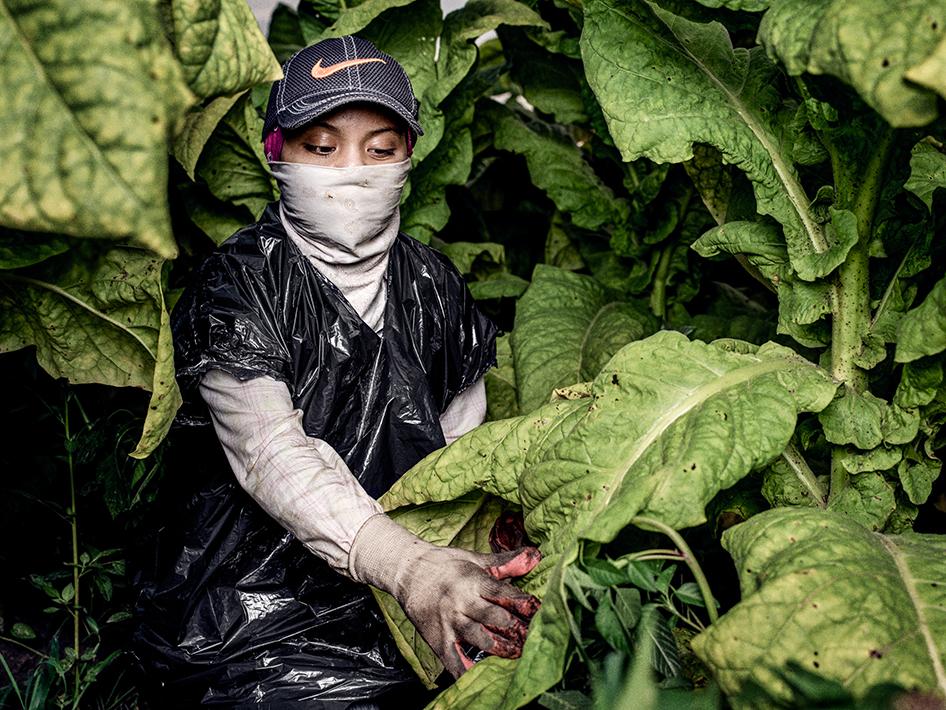
  • The Children Don’t Belong on Tobacco Farms Act, H.R. 3865 –and its companion bill S.2044—would ban child labor on U.S. tobacco farms where children toil long hours and routinely suffer symptoms of nicotine poisoning such as vomiting, fainting, dizziness, headaches and nausea. In a desperate attempt to keep nicotine off their skin, many teen tobacco workers toil while wearing black plastic garbage bags with holes punched out for their arms and head. Some teens work at great heights and great danger in tobacco drying barns. In the U.S., you have to be 21 to buy cigarettes but at age 12, you can work on tobacco farms and suffer poisoning from toxic nicotine. In the 117th congressional session, we helped secure 32 cosponsors for H.R. 3865—more than double the amount of cosponsors in the 116th.
  • Enforcement of domestic child labor laws in 2022 through mid-November saw an almost 40 percent increase in the number of child workers involved in a violation of child labor rules—nearly 4,000 children, according to reporting by DailyMail.com, using Department of Labor data. Nearly 20 percent of the violations involved teens performing hazardous work.
  • USDOL and state labor agencies frequently found child labor violations among fast food restaurants. Massachusetts Attorney General Maura Healey fined Dunkin’, the donut franchises, $145,000 for over 1,200 child labor violations in 14 stores. U.S. DOL found violations in 13 Pittsburgh area McDonalds restaurants in which teens worked too many hours or too late, as well as a case of a teen doing prohibited hazardous work
  • In September, Human Rights Watch, a CLC member, issued a child rights report card for all U.S. states related to child marriage, child labor, juvenile justice, and corporal punishment, and how well they meet the standards set by the Convention on the Rights of the Child. Alarmingly, only four states earned passing grades: 20 received an “F”; 26 received a “D”; four received a “C” and none received a “B” or and “A.” See the grades and report here.
  • In July, Massachusetts became the seventh US state to ban entirely child marriage. Like child marriage globally, U.S. child marriage has substantial health, educational, and financial impacts on teen girls who marry. Most states have broad exemptions that allow teens to marry with the approval of parents or the courts. Massachusetts joins six other states that passed legislation to end child marriage: New York, Delaware, New Jersey, Rhode Island, Pennsylvania and Minnesota. The CLC is a member of the National Coalition to End Child Marriage, headed by the NGO Unchained at Last.
  • The CLC and HRW held a series of meetings with Wage and Hour in 2022 to secure the reopening of the occupational child safety rules for agriculture called “Hazardous Occupation Orders.” These common-sense rules have not been updated for agriculture in roughly four decades despite many lessons-learned about farm injuries during that time. We also helped Rep. Roybal-Allard and Rep. David Cicilline (D-RI) draft and circulate a letter to DOL Secretary Walsh urging enhanced safety precautions. The letter had 46 congressional signatories.

                                                             #END#


https://stopchildlabor.org/wp-content/uploads/2022/08/logo.png 0 0 Reid Maki https://stopchildlabor.org/wp-content/uploads/2022/08/logo.png Reid Maki2023-02-02 19:51:232023-02-07 16:38:21Do Children in America Ever Work in Deplorable, Dangerous, Dickensian Conditions?  The Short Answer is “Yes” — The Child Labor Coalition’s Top Ten U.S. Child Labor Developments in 2022
thumbnail

US Should Protect Young Farmworkers–Lawmakers, Labor Department Need to Act

June 30, 2022/in CARE Act, Children in Agriculture, Children in the Fields Campaign, Viewpoints/by CLC Member
Margaret Wurth
Margaret Wurth
Senior Researcher, Children’s Rights Division

[This piece originally appeared on at www.hrw.org on June 13, 2022]

As the world marks another World Day Against Child Labor, US leaders should commit to ending child labor at home.

Globally, countries have reduced the number of children involved in child labor – defined as work performed by children below the minimum age of employment or children under age 18 engaged in hazardous work – from 245 million in 2000 to 160 million in 2020. Meanwhile, US protections for child farmworkers are as weak as ever.

Under US law, children can work in agriculture from younger ages, for longer hours, and in more hazardous conditions than children working in any other sector. Today, it is legal for 12-year-old children to work unlimited hours on a farm of any size, as long as they have a parent’s permission and they don’t miss school. Children that young cannot legally work in any other sector in the US. In agriculture, children at age 16 can do work considered “hazardous” by the US Labor Secretary, while in every other sector children must be 18.

Lawmakers in Congress have introduced legislation to close these gaps. The Children’s Act for Responsible Employment and Farm Safety (CARE Act) would amend US labor law to raise the minimum hiring age in agriculture to 14, and the minimum age for hazardous work to 18, matching the minimum ages for other areas of work.

Another important bill, the Children Don’t Belong on Tobacco Farms Act, would prohibit children under 18 from work involving direct contact with tobacco , a toxic crop containing nicotine. Congress should pass both of these bills.

But child farmworkers also need the Department of Labor to take action to provide safer work environments. The Labor Department has the authority to determine which jobs are considered hazardous and off limits to the youngest children working on farms. The list of hazardous occupations in agriculture has not been updated since 1970 and is way too narrow.

Labor Secretary Marty Walsh has repeatedly committed to ending child labor worldwide. At an event this month, he said child labor is, “a denial of fundamental human labor rights and it’s unacceptable.” He’s right. And he has the power to do something about it. Secretary Walsh should initiate a new rulemaking process to update these regulations.

Child farmworkers have waited long enough for the basic workplace protections that all other working children have.

“Sofia,” a 17-year-old tobacco worker, in a tobacco field in North Carolina. She started working at 13. She tries to protect herself from nicotine poisoning by wearing plastic trash bags and a mask. COVID presents new and scary risks. © 2015 Benedict Evans for Human Rights Watch

https://stopchildlabor.org/wp-content/uploads/2022/08/logo.png 0 0 CLC Member https://stopchildlabor.org/wp-content/uploads/2022/08/logo.png CLC Member2022-06-30 11:07:322022-11-07 06:11:07US Should Protect Young Farmworkers–Lawmakers, Labor Department Need to Act
thumbnail

The Children’s Act for Responsible Employment (CARE Act) would help protect child farmworkers

July 11, 2013/in CARE Act, Children in the Fields Campaign, In Our Fields, Legislation, Viewpoints/by CLC Contributor

Child farmworker Greccia Balli. Photo courtesy of Human Rights Watch.

Grecia Balli began working in farm fields when she was 10 years old. At age 14, she decided to drop out of school because her life as a migrant farmworker caused her to switch schools frequently, making it difficult for her to keep up academically. By age 17 she no longer dreamed of becoming a police officer, which had been her goal. Her life revolved around farm work.

Grecia is one of an estimated 400,000 to 500,000 children who work in U.S. agriculture. Interviewed for “Fingers to the Bone,” a film by U. Roberto Romano and Human Rights Watch, Grecia said she felt as though she had no choices as a farmworker. “You don’t feel the same as other kids.”

Child farmworkers aren’t treated the same as other children, either, under current U.S. labor laws. Seventy-five years after its passage, the antiquated Fair Labor Standards Act (FLSA) of 1938 continues to regulate child labor, but fails to provide children performing agricultural work with protections equal to those afforded other children. The FLSA restricts children younger than 16 years from working for more than three hours on a school day, but a loophole for the agricultural sector means children as young as 12 can legally work unlimited hours on farms before or after school, and children of any age can work on small farms, with their parents’ permission. Children 14 and older can work on any farm, without parental consent. Child agricultural workers are also permitted to perform hazardous work at age 16, while hazardous work is strictly reserved for adults in all other sectors.

Agriculture is one of the most dangerous industries and the most dangerous for children, according to U.S. Department of Labor statistics. “Children working for wages on farms are exposed to many hazards—farm machinery, heat stroke, and pesticides among them—and they perform back-breaking labor that no child should have to experience,” says Child Labor Coalition (CLC) Co-Chair Sally Greenberg, the executive director of the National Consumers League, a consumer advocacy organization that has worked to eliminate abusive child labor since its founding in 1899. “Child farmworkers deserve the same protections that all other American kids enjoy.”

As Grecia’s story illustrates, schooling is also negatively impacted when children labor in agriculture. Many of them leave school before the term ends and return after it has begun. This can lead to academic difficulties. American Federation of Teachers Secretary-Treasurer and CLC Co-Chair Lorretta Johnson notes, “Fifty percent of children who regularly work on farms will not graduate from high school.” Child farmworkers have four times the national rate of school drop-out.

For more than a decade, the CLC has endeavored to address the issue of child agricultural labor and is working to help pass the Children’s Act for Responsible Employment (CARE), HR 2234, federal legislation re-introduced on June 12, 2013, by Representative Lucille Roybal-Allard (D-CA) to amend the FLSA.

Read more

https://stopchildlabor.org/wp-content/uploads/2022/08/logo.png 0 0 CLC Contributor https://stopchildlabor.org/wp-content/uploads/2022/08/logo.png CLC Contributor2013-07-11 13:12:092022-11-07 06:10:45The Children’s Act for Responsible Employment (CARE Act) would help protect child farmworkers
thumbnail

107 Groups Endorse the Children’s Act for Responsible Employment (CARE), which would extend child labor protections to many children working in U.S. agriculture.

July 23, 2011/in Children in the Fields Campaign, Legislation, US Campaigns/by Reid Maki

The Children’s Act for

Responsible Employment

[CARE has been reintroduced as H.R. 2234 in the current session of Congress]

The CARE Act  has been endorsed by the following 107 organizations:

  • Action for Children North Carolina;
  • AFL-CIO;
  • Alliance for Justice;
  • American-Arab Anti-Discrimination Committee;
  • American Association of University Women;
  • American Federation of Teachers;
  • American Rights at Work;
  • America’s Promise Alliance;
  • Amnesty International USA;
  • Asian American Justice Center;
  • Asian Pacific American Labor Alliance;
  • Association of Farmworker Opportunity Programs;
  • Bakery, Confectionery, Tobacco Workers, and Grain Millers  International Union;
  • Bon Appétit Management Company;
  • California Human Development;
  • California Institute for Rural Studies;
  • California Rural Legal Assistance Foundation;
  • Calvert Group Ltd.;
  • Center for Community Change;
  • Change to Win;
  • Child Labor Coalition;
  • Coalition of Immokalee Workers;
  • Coalition of Labor Union Women;
  • Children’s Alliance, Washington State;
  • Communications Workers of America;
  • Covenant with North Carolina’s Children;
  • Dialogue on Diversity;
  • East Coast Migrant Head Start Project;
  • El Centro Latino of Western North Carolina;
  • Farmworker Advocacy Network [North Carolina];
  • Farm Labor Organizing Committee;
  • Farmworker Association of Florida;
  • Farmworker Justice;
  • First Focus Campaign for Children;
  • Food Chain Workers Alliance;
  • Galen Films;
  • Gay, Lesbian and Straight Education Network;
  • General Federation of Women’s Clubs;
  • Hispanic Association of Colleges and Universities;
  • Hispanic Federation;
  • Honest Tea;
  • Human Rights Watch;
  • Interfaith Worker Justice;
  • International Association of Machinist and Aerospace Workers;
  • International Brotherhood of the Teamsters;
  • International Initiative to End Child Labor;
  • International Labor Rights Forum;
  • Kentucky Youth Advocates;
  • Labor Council for Latin American Advancement;
  • Laborers’ International Union of North America;
  • La Fe Policy Research & Education Center of San Antonio;
  • Laredo, Texas (City Council)
  • Latino Advocacy Council of Western North Carolina;
  • Leadership Conference on Civil and Human Rights
  • League of United Latin American Citizens;
  • Legal Momentum (formally the Women’s Legal Defense and Education Fund);
  • MAFO (The National Partnership of Rural and Farmworker Organizations);
  • Maine Children’s Alliance;
  • MALDEF—Mexican American Legal Defense and Education Fund;
  • MANA, A National Latina Organization;
  • Media Voices for Children;
  • Migrant Clinician’s Network;
  • Migrant Legal Action Program;
  • MomsRising;
  • NAACP;
  • National Consumers League;
  • National Education Association;
  • National Employment Law Project;
  • National Farmworker Alliance;
  • National Farm Worker Ministry;
  • National Association for the Education of Homeless Children and Youth;
  • National Association of Consumer Advocates;
  • National Association of State Directors of Migrant Education;
  • National Collaboration for Youth;
  • National Foster Care Coalition;
  • National Hispanic Medical Association;
  • National Migrant and Seasonal Head Start Association;
  • National Organization for Women;
  • National Parent Teacher Association (PTA);
  • NCLR (National Council of La Raza);
  • North Carolina Council of Churches;
  • North Carolina Justice Center;
  • Oregon Human Development Corporation;
  • Oxfam America;
  • PathStone;
  • PCUN—Pineros y Campesinos  del Noroeste (Northwest Treeplanters and Farmworkers)
  • Pesticide Action Network North America;
  • Pesticide Education Center;
  • Pesticide Watch;
  • Pride at Work;
  • Public Education Network;
  • Ramsay Merriam Fund;
  • Results;
  • Robert F. Kennedy Center for Justice and Human Rights;
  • Social Advocates for Youth;
  • Southern Poverty Law Center;
  • Student Action with Farmworkers;
  • Swanton Berry Farms;
  • Teaching and Mentoring Communities [Formerly Texas Migrant Council];
  • United Methodist Church – General Board of Church and Society;
  • United States Hispanic Leadership Institute;
  • United States Student Association;
  • United Farm Workers of America;
  • United Food & Commercial Workers International Union;
  • United Methodist Women;
  • Vecinos Farmworker Health Program; and
  • Voices for Ohio’s Children.


https://stopchildlabor.org/wp-content/uploads/2022/08/logo.png 0 0 Reid Maki https://stopchildlabor.org/wp-content/uploads/2022/08/logo.png Reid Maki2011-07-23 07:58:122022-11-07 06:10:06107 Groups Endorse the Children’s Act for Responsible Employment (CARE), which would extend child labor protections to many children working in U.S. agriculture.
thumbnail

More progress needed to reduce child labor; Urgent action required on Uzbekistan, Domestic Workers Convention, and U.S. farmworker children

June 10, 2011/in Viewpoints/by Reid Maki

Child Labor Coalition Press Release/For release: June 10, 2011

Washington, DC—As World Day Against Child Labor on June 12 approaches, the Child Labor Coalition (CLC) is alerting the public that more than 200 million children still toil around the world, often in dangerous jobs that threaten their health, safety, and education.

Here in the United States, the CLC is applauding the anticipated re-introduction of the Children’s Act for Responsible Employment (CARE), which Rep. Lucille Roybal-Allard (D-CA) plans to sponsor once again next week. The legislation would close loopholes that permit the children of migrant and seasonal farmworkers to work for wages when they are only 12 and 13 years old, often in harsh conditions—10- to 12-hour days of bending over and performing repetitive tasks in 90- to 100-degree heat.

“It’s time to level the playing field by closing these loopholes, which go all the way back to 1938, when the Fair Labor Standards Act was introduced,” said CLC Co-Chair Sally Greenberg, the Executive Director of the National Consumers League, a consumer advocacy organization that has worked to eliminate abusive child labor since its founding in 1899. “We must offer these children the same protections that all other American kids enjoy.”

Read more

https://stopchildlabor.org/wp-content/uploads/2022/08/logo.png 0 0 Reid Maki https://stopchildlabor.org/wp-content/uploads/2022/08/logo.png Reid Maki2011-06-10 13:14:312022-11-07 06:10:32More progress needed to reduce child labor; Urgent action required on Uzbekistan, Domestic Workers Convention, and U.S. farmworker children
thumbnail

Longoria and Colbert Highlight the Plight of Farmworker Adults and Children

November 9, 2010/in Children in Agriculture, News & Events, Viewpoints/by Reid Maki

America’s farmworkers are mostly invisible these days. The men, women, and children who pick our fruit and vegetables go largely ignored by the public and Congress, which has failed to update the Fair Labor Standards Act leaving farmworkers mostly unprotected from workplace abuses.  This September, however, two celebrities—Eva Longoria and Stephen Colbert—traveled to Capitol Hill in an effort to shine a much-needed spotlight on the plight of farmworkers.

Eva Longoria is producing "The Harvest." Rep. Lucille-Roybal Allard looks on. (Photo by Meriel Shire, AFOP)

On September 15, Longoria, a cast member from the television hit Desperate Housewives, appeared at an informal briefing in the Rayburn House Office Building to promote “The Harvest”,  a documentary she is producing about child labor in agriculture.  Longoria and filmmaker Robin Romano showed clips of child workers featured in the film, which will premier at the Sundance Film Festival. The Harvest follows kids as they migrate and perform back-breaking work that many adults will not do because it is too hard and the pay is too low.

Read more

https://stopchildlabor.org/wp-content/uploads/2022/08/logo.png 0 0 Reid Maki https://stopchildlabor.org/wp-content/uploads/2022/08/logo.png Reid Maki2010-11-09 09:17:282022-11-17 05:55:54Longoria and Colbert Highlight the Plight of Farmworker Adults and Children
thumbnail

Tell Congressional Leaders It’s Time to Protect Farmworker Children–Pass the CARE Act Now

October 21, 2010/in US Campaigns/by Reid Maki

Help us protect migrant children by contacting your member of Congress today and urging them to pass the Children’s Act for Responsible Employment:


Summary of the Children’s Act for

Responsible Employment (CARE Act)

H.R. 2234

Representative Lucille Roybal-Allard (D-CA) introduced the Children’s Act for Responsible Employment (CARE Act) on June 16, 2011. The CARE Act addresses the inequities faced by the estimated 300,000 to 400,000 children currently employed in agriculture in the U.S.

The CARE Act:

  • Amends the Fair Labor Standards Act of 1938 (FLSA) by bringing the age and work hours standards for children working in agriculture up to the standards set under FLSA for all other forms of child labor.

There is currently a loophole that permits children working in agriculture to work longer hours, at a younger age, and in more hazardous conditions than children working in other jobs. The FLSA currently allows children as young as 12 years of age to work in agriculture, while children in non-agricultural work must be at least 14 years of age (often, they must be 16 or older), and are limited to 3 hours of work a day outside of school hours while school is in session.

Farmworker youth can work an unlimited number of hours, as long as those hours are outside of school time. The CARE Act would eliminate these loopholes and require children to be a minimum of 14 to work for wages in agriculture. The Secretary of Labor would determine if specific agricultural jobs are safe for 14- and 15-year-olds to perform—as is done with all other industries.

  • Preserves the FLSA’s family farm exemption. Under the CARE Act, farmers’ children of any age would continue to be able to work for their parents on their own farms.


  • Increases the civil monetary penalties for child labor violations from $11,000 to $15,000, with a minimum penalty of $500, and higher fines for repeat or willful violations. It also increases criminal penalties to a maximum of five years imprisonment.


These increased penalties will serve as a stronger deterrent for employers who consistently violate child labor laws.


  • Strengthens provisions for pesticide exposure in agriculture to take into account additional risks posed to children. Requires the Worker Protection Standard for pesticides be included in the hazardous orders for minors by the Secretary of Labor.


Children working on farms are consistently exposed to hazardous pesticides.  Children have a high skin to body weight ratio and are in a more rapid stage of development, which makes them more vulnerable than adults to pesticide exposure. This provision will protect children from more exposure to pesticides.


Why is the CARE Act Needed?


Health. Agriculture is consistently rated as one of the three most dangerous industries. According to NIOSH, between 1995 and 2002, 113 youth under the age of 20 died in farm-related injuries each year. The fatality rate for young workers in agricultural is six times the rate of any other industry, according to a 2008 report from U.S. DOL. In 2006, an estimated 23,000 children and adolescents were injured on farms. In addition, advocates worry about the long term impact of pesticides on farmworker youth.

Education. Migration and exhausting work contribute to astronomic dropout rates among farmworker kids. Farmworker advocates believe that two of every three dropout. In some migrant communities. The dropout rate is 80 percent.


Equity. Some advocates believe that there is a human rights and civil rights element to this issue. Children who work for wages harvesting crops are often Hispanic and have traditionally been minority youth. Is that one of the reasons Congress has failed to address these child labor disparities?


https://stopchildlabor.org/wp-content/uploads/2022/08/logo.png 0 0 Reid Maki https://stopchildlabor.org/wp-content/uploads/2022/08/logo.png Reid Maki2010-10-21 13:25:022022-11-07 06:10:17Tell Congressional Leaders It’s Time to Protect Farmworker Children–Pass the CARE Act Now
thumbnail

AFL-CIO Asks Congressional Leaders to Protect Farmworker Kids, May 2010

October 14, 2010/in CARE Act/by Reid Maki

[calameo code=000367716309c184a8368 lang=en width=100% height=400]

https://stopchildlabor.org/wp-content/uploads/2022/08/logo.png 0 0 Reid Maki https://stopchildlabor.org/wp-content/uploads/2022/08/logo.png Reid Maki2010-10-14 10:14:392022-11-07 06:10:13AFL-CIO Asks Congressional Leaders to Protect Farmworker Kids, May 2010
Page 1 of 212

Pages

  • About Us
  • Coalition Leadership
  • Coalition Members
  • Contact Us
  • Donate
  • Giving Tuesday 24
  • Home
  • Home-dev
  • Home-dev-new
  • Our History
  • Our Mission & Objectives

Categories

  • 10 Facts About…
  • Afghan Bacha Bazi Trafficking Action
  • Afghanistan
  • African Countries
  • Agriculture
  • Angola
  • Bangladesh
  • Beedi
  • Bolivia
  • Botswana
  • Brazil
  • Bricks
  • Burkina Faso
  • Burma/Myanmar
  • Cambodia
  • CARE Act
  • Central African Republic
  • Chad
  • Child Labor – International
  • Child Labor – US
  • Child Labor Maps & Infographics
  • Child Labor Programs in Danger
  • Child Labor Stats
  • Child Labor Tools for Consumers–Apps
  • Child Soldiers
  • Children in Agriculture
  • Children in the Fields Campaign
  • Chile
  • China
  • Chocolate
  • Chocolate
  • Clothes
  • Clothing
  • Colombia
  • Construction
  • Convention on the Rights of the Child
  • Corporations and Child Labor
  • Cote d'Ivoire
  • Cotton
  • Cotton
  • Countries
  • Democratic Republic of the Congo (DRC)
  • Domestic Workers/Household Servants
  • Donate
  • Education & Child Labor
  • Egypt
  • El Salvador
  • Electronic Equipment
  • Electronics
  • Enforcement–US
  • Ethiopia
  • Fast Facts
  • Fast Food
  • Federal Laws
  • Forced Labor/Slavery
  • Ghana
  • Global Campaign for Education
  • Gold
  • Help Us End Child Slavery!
  • In Our Fields
  • In Our Products
  • India
  • Industry/Products
  • International Initiatives
  • Jordan
  • Kazakhstan
  • Kenya
  • Laos
  • Legislation
  • Lesotho
  • Liberia
  • Links
  • Madagascar
  • Malawi
  • Mexico
  • Mining
  • Mozambique
  • Namibia
  • News & Events
  • News & Resources
  • Niger
  • Nigeria
  • Other Products
  • Pakistan
  • Peru
  • Philippines
  • Press Releases
  • Reports
  • Rubber
  • Rugs
  • Rwanda
  • Saudi Arabia
  • Seafood
  • Soccer Balls
  • Somalia
  • State Laws
  • Street Vending
  • Sudan
  • Take Action
  • Thailand
  • Timeline
  • Tin
  • Trafficking (International)
  • Trafficking–US
  • Turkey
  • U.S. DOL
  • Uncategorized
  • US Campaigns
  • US Child Labor Laws
  • Uzbekistan
  • Vanilla
  • Vietnam
  • Viewpoints
  • Voices — Podcasts, Radio Shows, and Television
  • Yemen
  • Young Worker Deaths & Injuries
  • Youth Employment
  • Youth Peddling Crews
  • Zambia
  • Zimbabwe

Archive

  • March 2026
  • February 2026
  • January 2026
  • December 2025
  • November 2025
  • October 2025
  • August 2025
  • July 2025
  • June 2025
  • May 2025
  • April 2025
  • February 2025
  • January 2025
  • October 2024
  • July 2024
  • June 2024
  • May 2024
  • April 2024
  • March 2024
  • February 2024
  • December 2023
  • November 2023
  • October 2023
  • August 2023
  • July 2023
  • June 2023
  • May 2023
  • April 2023
  • March 2023
  • February 2023
  • August 2022
  • June 2022
  • May 2022
  • March 2022
  • February 2022
  • January 2022
  • October 2021
  • July 2021
  • June 2021
  • May 2021
  • April 2021
  • March 2021
  • February 2021
  • December 2020
  • October 2020
  • September 2020
  • August 2020
  • June 2020
  • May 2020
  • March 2020
  • December 2019
  • November 2019
  • August 2019
  • June 2019
  • April 2019
  • December 2018
  • November 2018
  • September 2018
  • July 2018
  • May 2018
  • April 2018
  • March 2018
  • February 2018
  • December 2017
  • September 2017
  • July 2017
  • June 2017
  • April 2017
  • November 2016
  • October 2016
  • September 2016
  • August 2016
  • July 2016
  • June 2016
  • May 2016
  • April 2016
  • February 2016
  • January 2016
  • December 2015
  • November 2015
  • October 2015
  • August 2015
  • June 2015
  • May 2015
  • March 2015
  • February 2015
  • January 2015
  • November 2014
  • October 2014
  • August 2014
  • July 2014
  • June 2014
  • April 2014
  • February 2014
  • January 2014
  • December 2013
  • November 2013
  • October 2013
  • September 2013
  • August 2013
  • July 2013
  • June 2013
  • May 2013
  • March 2013
  • February 2013
  • January 2013
  • December 2012
  • November 2012
  • October 2012
  • September 2012
  • August 2012
  • July 2012
  • June 2012
  • May 2012
  • April 2012
  • March 2012
  • February 2012
  • January 2012
  • December 2011
  • November 2011
  • October 2011
  • September 2011
  • August 2011
  • July 2011
  • June 2011
  • May 2011
  • April 2011
  • March 2011
  • February 2011
  • January 2011
  • December 2010
  • November 2010
  • October 2010
  • September 2010
  • August 2010
  • July 2010
  • June 2010
  • May 2010
  • April 2010
  • March 2010
  • February 2010
  • September 2009
  • July 2009
  • June 2009
  • May 2008
  • November 2007
  • June 2007
  • July 1881
  • July 1876
  • July 1842
  • July 1836
  • January 1832

CLC members—the Ramsay Merriam Fund, the American Federation of Teachers, and the National Education Association—made this web site possible through their generous support.

Quick Links

Useful Links

Contact Us

  • National Consumers League
    1701 K Street, N.W., Suite 1200
    Washington, DC 20006

  • reidm@nclnet.org

© Copyright 2026 - stopchildlabor
Scroll to top
Twitter – Check out the CLC’s Twitter stream YouTube – check out child labor videos on the CLC YouTube channel